January 27, 2026
Technical noteWhat Agentic AI Could Mean for Small Businesses
A practical look at how AI is shifting from answering questions to taking actions, and what that could mean for small-business workflows.
Author
AI Integrations
Reading time
3 min read
Tags
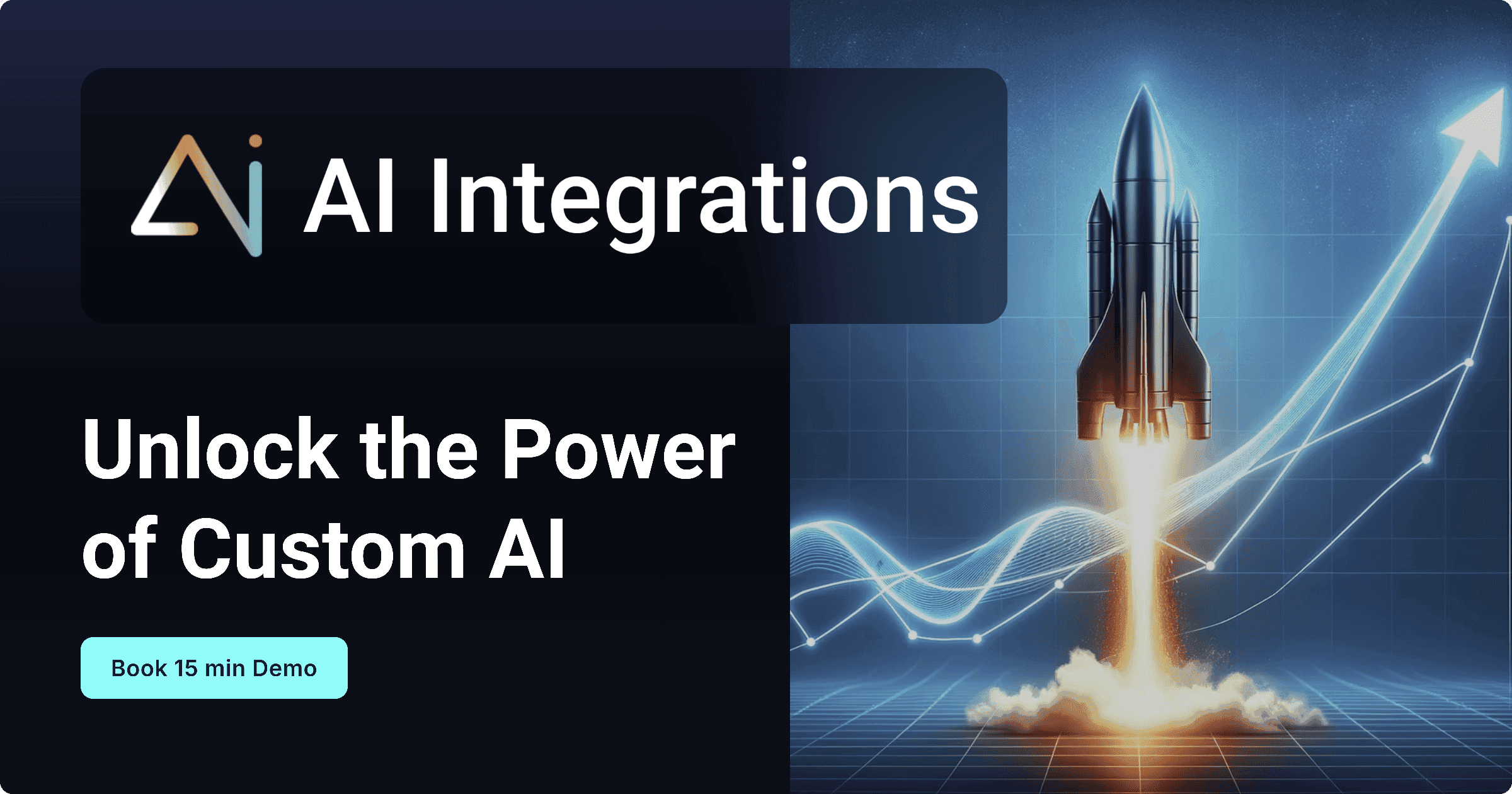
Agentic AI is one of those phrases that can sound more advanced than it actually is.
At a practical level, it usually means an AI system that does more than answer a question. It can retrieve context, use tools, make a structured decision, and complete part of a workflow with guardrails. For a small business, that matters only when the workflow itself is worth automating.
Start with the website layer first
Most small businesses do not need agentic behavior as the first step.
They usually need:
- faster replies
- fewer missed inquiries
- clearer lead capture
- after-hours coverage
- less repetitive website support work
That is why the first useful layer is often a website assistant like AiVA, not a deeper multi-step automation system.
What changes when AI becomes more agentic
Once a business has a stable first layer, the next questions tend to change:
- Can the system route leads to the right place?
- Can it hand off into CRM or booking?
- Can it collect the right details before a human steps in?
- Can it trigger follow-up steps without manual copy-paste?
Those are the moments where “agentic” stops being a buzzword and starts becoming a workflow question.
The right way to think about agentic AI for SMBs
A useful rule is simple: if the business problem is still mostly website questions, stay with the website assistant layer. If the real bottleneck is now multi-step operations, then deeper workflow automation starts to make sense.
That is why the decision path on this site stays staged:
- AiVA when the first problem is responsiveness and customer questions
- pricing when you want the rollout and commercial path
- custom AI when the workflow itself is too specific or too operational for a generic website assistant
Where agentic AI is most likely to matter
For small businesses, the most realistic near-term uses are not abstract “AI employees.” They are narrower systems such as:
- intake and routing automation
- internal assistants for policies or procedures
- document and reconciliation workflows
- booking or scheduling handoff logic
- structured follow-up after a lead or support conversation
That is also why custom work should stay justified by a real bottleneck. Agentic AI is interesting, but it is only valuable when it removes a repeated point of friction from the business.
Final thought
Agentic AI matters, but it should not replace clear sequencing.
For most small businesses, the smart move is to start with the layer that is easiest to measure. If the website is losing inquiries or answering too slowly, start with AiVA. If the bigger problem is a repeated operational workflow that needs a scoped build, that is when custom AI becomes justified. If you want to review the current commercial path before either move, start at pricing.
Related next steps
Move from the idea into the part of the site that matches the workflow.
This post is a better entry point when the next click goes to the commercial page that matches the topic instead of the same fixed CTA every time.
Custom AI
See when standalone custom AI is justified.
Use this path for deeper automation, internal assistants, reporting flows, or multi-system work that goes beyond the website assistant.
Explore custom AIPricing
Check plans, trial terms, and rollout cost.
AiVA self-serve pricing with monthly or annual billing, plus where enterprise or custom work changes the path.
View pricingIntegrations
Map the handoff into CRM, booking, commerce, or voice.
See where AiVA connects into follow-up systems and operational workflows after the website assistant is proving value.
Explore integrations